Window Replacement: A Comprehensive Guide to Choosing the Right Style and Material for Your Home
Window replacement stands as a vital home enhancement that influences both aesthetic appeal and energy efficiency. Property owners should thoughtfully evaluate different window materials and styles on the market. Considerations like architectural harmony and efficiency standards hold substantial importance in the selection process. Comprehending these aspects is crucial for making knowledgeable selections. However, many overlook important elements that could improve their living space. Examining these factors will uncover what truly matters in the decision-making journey.
Getting to Know Multiple Window Varieties
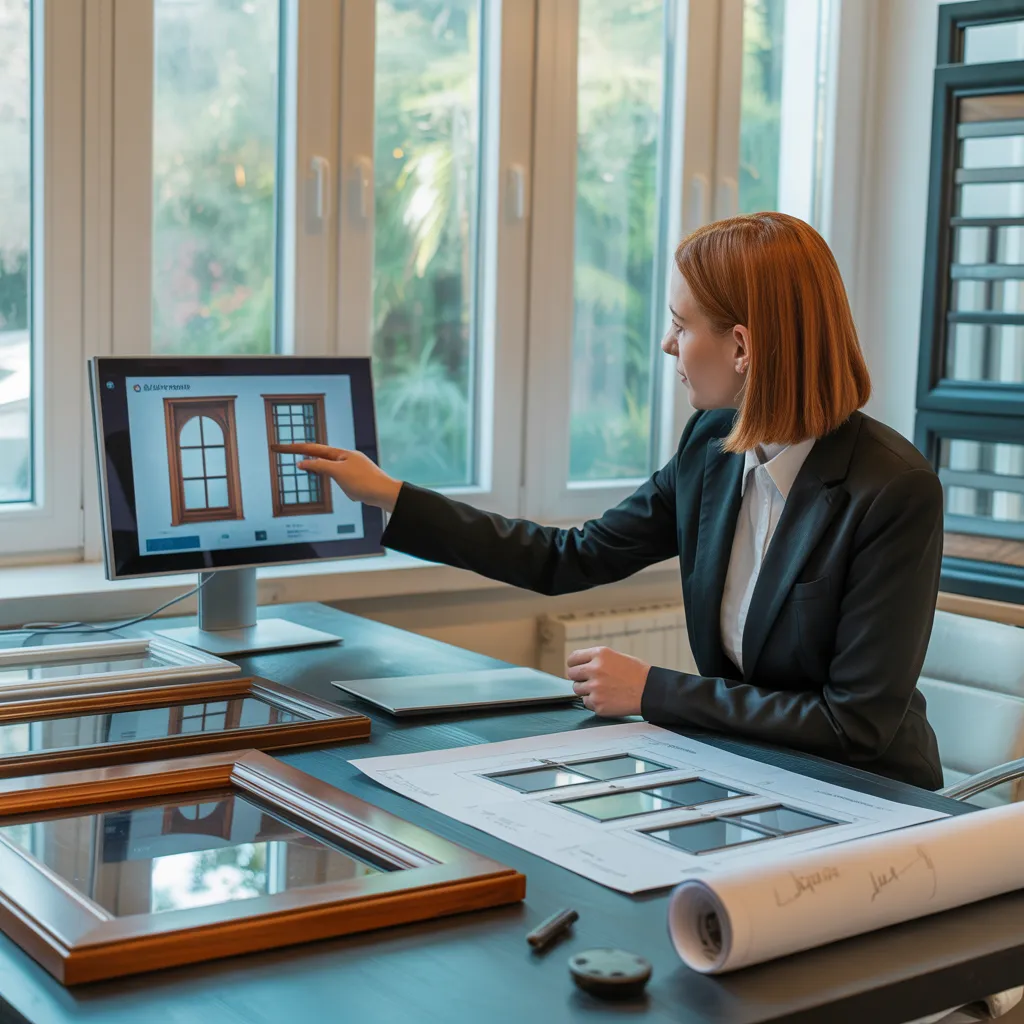
Windows serve as important elements of any home, influencing both aesthetics and functionality. Numerous styles address diverse architectural designs and personal preferences. Double-hung windows, defined by their two operable sashes, offer ventilation and ease of cleaning. Casement windows, that swing outward with a crank mechanism, deliver unobstructed views and superior airflow. Sliding windows, featuring horizontal movement, are ideal for compact spaces and contemporary designs. Picture windows act as large, fixed panes, optimizing natural light while offering scenic views. Bay and bow windows extend from the home, creating additional space and enhancing curb appeal. Every style offers unique benefits, permitting homeowners to select options that correspond to their tastes and practical needs. Comprehending these styles is essential for effective window replacement decisions.
Investigating Window Material Options
In choosing windows for replacement, the selection of material serves a critical role in performance, maintenance, and overall aesthetic appeal. Popular materials include wood, vinyl, aluminum, and fiberglass, each offering specific advantages. Wood offers a classic look and excellent insulation but requires regular maintenance to prevent rot and warping. Vinyl is well-known for its affordability and low maintenance, though it may lack the charm of wood. Aluminum is durable and lightweight, often used in modern designs, but it can conduct heat and cold, impacting insulation. Fiberglass combines strength and energy efficiency, resisting warping and fading. In the end, the right material is based on the homeowner's preferences, budget, and the desired longevity of the windows.
Evaluating Energy Efficiency Scores
When undertaking window replacement, evaluating energy efficiency ratings is crucial for making well-informed decisions. Important considerations include understanding Energy Star ratings, which demonstrate a product's energy performance, and comparing U-factor values, which measure the rate of heat transfer. These metrics enable homeowners select windows that increase comfort while reducing energy costs.
Comprehending Energy Star Ratings
How do homeowners ensure they are making energy-efficient decisions when replacing their windows? One proven method is to evaluate Energy Star ratings. The Energy Star label demonstrates that a window meets strict energy efficiency standards set by the U.S. Environmental Protection Agency. This certification confirms that the product can help minimize energy consumption and lower utility bills. Homeowners should seek out Energy Star ratings specific to their climate zone, find here as performance can vary. In addition, understanding the difference between the Energy Star label and other ratings can guide selections. By selecting windows with this certification, homeowners can substantially enhance their home's energy efficiency, contributing to a more sustainable living environment while enjoying potential cost savings over time.
Assessing U-Factor Values
Comprehending U-Factor values is essential for homeowners looking to determine the energy efficiency of replacement windows. The U-Factor gauges the rate of heat transfer through a window, indicating how well it insulates. A lower U-Factor signifies better insulation, which can contribute to lower heating and cooling costs. When evaluating windows, homeowners should search for U-Factor ratings typically ranging from 0.20 to 1.20, with lower values being preferable. It's important to contemplate local climate conditions, as some locations may profit more from specific U-Factor ratings. Furthermore, Energy Star certifications can help recognize windows that meet energy efficiency standards. By grasping U-Factor values, homeowners can make educated decisions that improve comfort and decrease energy expenses in their homes.
Examining Visual Appeal
When examining the aesthetic appeal of window replacements, it's important to consider both the architectural style of the home and the surrounding environment. The chosen windows should complement the existing design, whether it's traditional, modern, or a blend of styles. Color, shape, and size play essential roles in harmonizing windows with the overall appearance of the property. In addition, the surrounding landscape, neighborhood aesthetics, and even historical context can influence the selection process. For example, a historic home may look better with classic double-hung windows, while a contemporary structure might look best with sleek, large panes. Finally, the right window choice boosts curb appeal, reflects personal taste, and contributes to the home's overall value.
Maintenance Considerations
Maintenance considerations are essential for increasing the service life of newly installed windows. Consistent cleaning practices, paired with proper weatherproofing and insulation, are crucial factors in sustaining their performance. Moreover, understanding when to repair rather than replace windows can save homeowners valuable time and resources in the long run.
Basic Cleaning Practices
How can homeowners ensure their windows stay in prime condition? Consistent cleaning procedures play a critical role in upholding window aesthetics and functionality. It is best to clean windows at least twice each year, employing a mixture of mild soap and water or a specialized glass cleaner to prevent streaks. Gentle fabrics or squeegees can effectively remove dirt without scratching the surface. Homeowners should also monitor window frames and sills, wiping them with a damp cloth to clear away dust and debris. Moreover, checking window tracks for buildup and eliminating any obstructions can improve operation. By implementing these easy cleaning practices, homeowners can extend the lifespan of their windows and verify they continue to perform at their best.
Weather Protection and Insulation
Routine cleaning plays a significant role to the overall upkeep of windows, but attention must also be directed toward weatherproofing and insulation. Proper weatherproofing confirms that windows effectively safeguard interiors from external elements, avoiding drafts and moisture infiltration. Homeowners should regularly inspect seals and caulking for wear, as deteriorated materials can result in energy loss and increased utility bills. Furthermore, insulating windows with energy-efficient glazing can substantially improve thermal performance, keeping homes comfortable year-round. Using window treatments, such as thermal curtains, can further improve insulation. Regular maintenance of these aspects not only extends the lifespan of windows but also boosts energy efficiency. Ultimately, investing in weatherproofing and insulation is essential for maintaining a comfortable and cost-effective living environment.
Repair or Replacement
When dealing with window issues, homeowners often grapple with the decision of whether to repair or replace their windows. Restoring windows can be a cost-effective solution for minor problems such as small cracks or damaged weather stripping. This option allows homeowners to extend the life of existing windows while retaining their original character. However, if windows are extensively worn, drafty, or outdated, replacement may be the more practical choice. New windows offer improved energy efficiency, enhanced aesthetics, and reduced maintenance. Additionally, considering long-term costs is essential; frequent repairs can accumulate, making replacement the more cost-effective option over time. Ultimately, the decision should be guided by the extent of damage, budget, and the desired benefits of modern window technology.
Window Replacement Budget Planning
Though several homeowners recognize the importance of window replacement for energy savings and aesthetics, budgeting for this project can often be a daunting task. The primary step in budgeting includes determining the total number of windows that need replacement, as costs can range greatly based on size and style. Homeowners should also account for additional expenses such as installation fees, which can range from 10% to 20% of the total project cost. Examining different materials, like vinyl, wood, or fiberglass, is crucial, as each comes with its own price range and long-term value. Setting aside funds for unforeseen issues during installation is prudent, making certain the project continues as planned financially. Eventually, careful planning and research can facilitate a successful window replacement experience.
FAQ
How Long Will a Window Replacement Project Generally Take?
An average window replacement project typically takes between one and three days, contingent upon the amount of windows being replaced and the difficulty of the job. Factors such as weather can likewise impact the timeline.
Can I Replace Windows Myself, or Should I Hire a Professional?
Installing windows yourself is achievable for those with proper knowledge, but employing an expert ensures proper installation and compliance with local building codes. Assessing personal expertise against potential risks is critical in making the decision.
What Permits Are Required for Window Replacement?
Generally, homeowners need a building permit for window installation projects. Requirements vary by location, so it's best to consult with municipal authorities to confirm compliance with regulations and prevent potential fines or complications during the project.
Are Tax Credits Offered for Energy-Efficient Windows?
Yes, you'll find tax credits available for energy-efficient windows. Homeowners may qualify for federal tax incentives, which can help offset the costs of buying and installing windows that meet designated energy efficiency standards.
How Do I Choose a Dependable Window Contractor?
When selecting a reliable window contractor, you should check online reviews, obtain references, confirm licenses and insurance, compare quotes, and gauge communication skills, confirming the contractor corresponds to particular project needs and timelines.